
Advanced Digital Forensics Solutions
Digital Forensics
Uncovering truth through technology, evidence precision, and expert-led forensic investigation
Request Call Back

Expert service for all hard disks
Technology Trusted Across Leading Brands
Our expertise extends across a wide range of leading brands and technologies, enabling us to handle diverse devices, systems, and digital environments with confidence.









Data Recovery From All Type of Hard Disk Interfaces


Key Solutions
Digital Forensics Solutions
We can recover data from almost any digital media — from old iPods and legacy drives to the latest high-capacity SSDs and encrypted devices. Whether your device is logically corrupted, physically damaged, or completely non-responsive, our engineers combine advanced tools and years of experience to bring your lost data back to life.
Mobile Data Acquisition
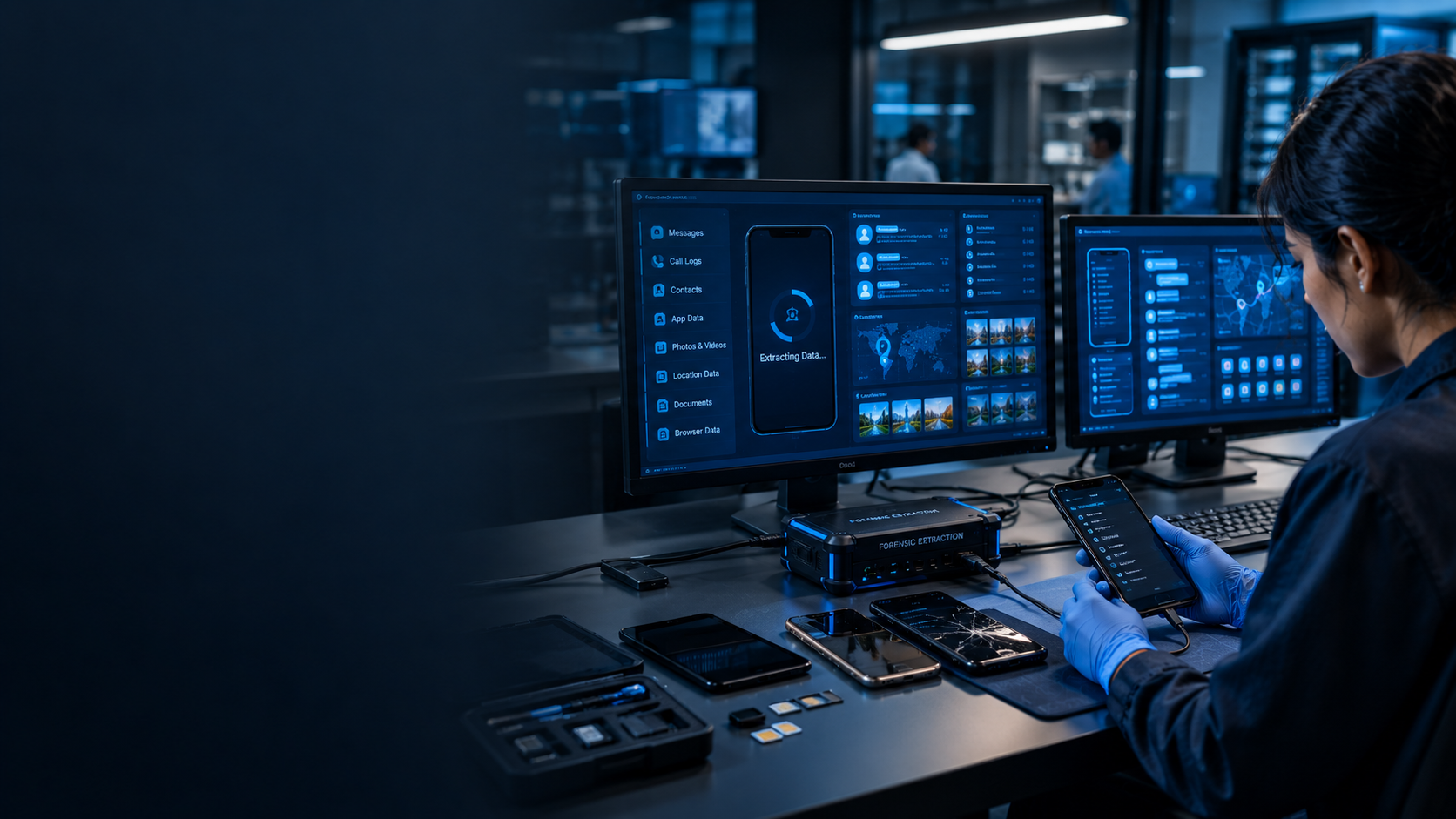
Our mobile forensics team retrieves data from smartphones, tablets, and SIM cards using advanced extraction methods. We recover messages, app data, call logs, and geolocation details even from locked, damaged, or encrypted devices ensuring evidential accuracy for investigative and legal needs.
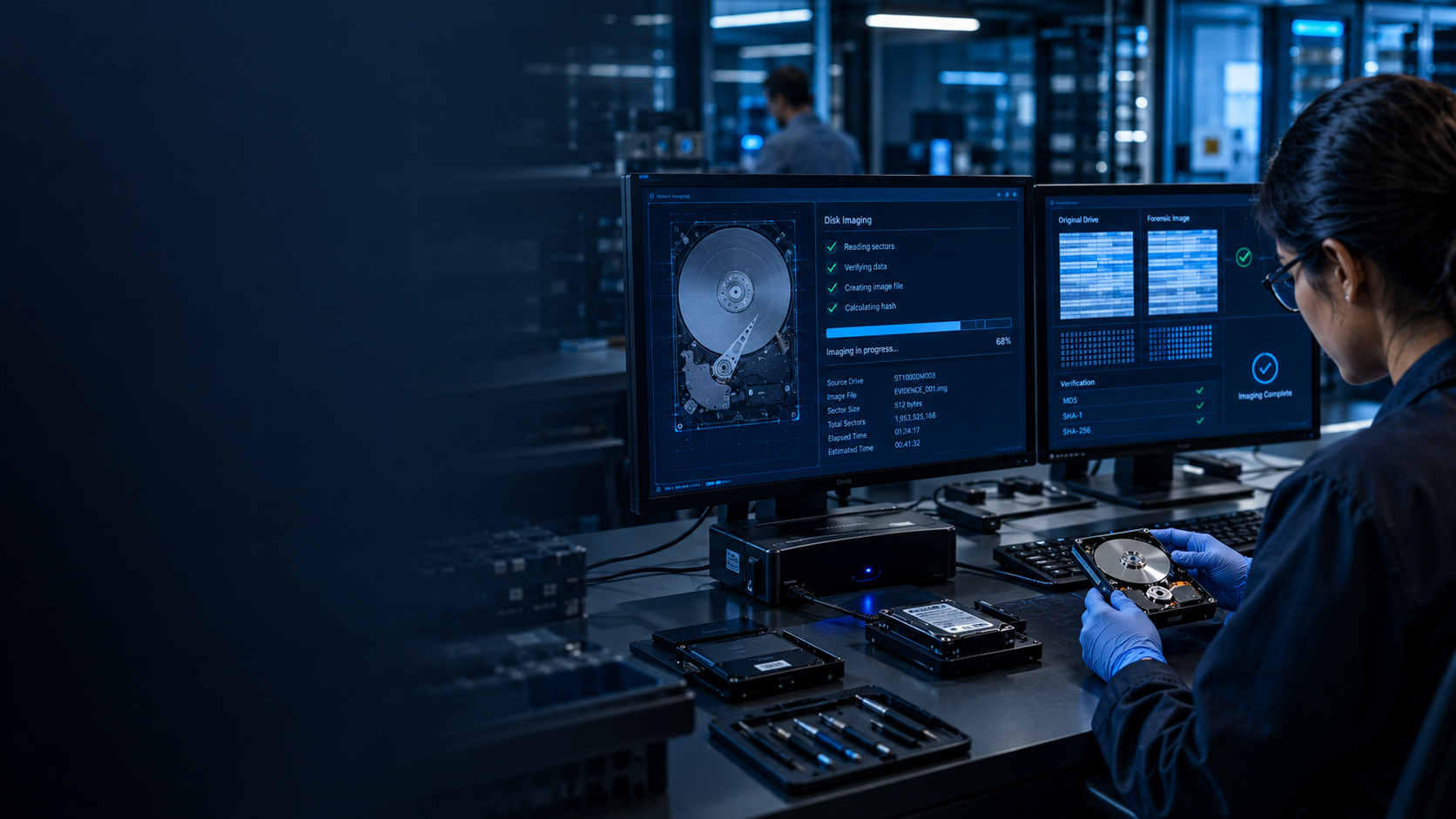
Disk Imaging & Damaged Disk Imaging
We perform forensic-grade bit-by-bit imaging of storage devices to preserve every byte of information. Even from damaged or partially functional drives, our engineers create accurate forensic copies for secure analysis without altering or compromising the original evidence.

Mac Disk Imaging
Our experts specialise in macOS and APFS imaging, enabling accurate extraction, verification, and analysis of artefacts from MacBooks, iMacs, and Apple storage devices. We handle encryption and file system complexities with complete precision and forensic reliability.
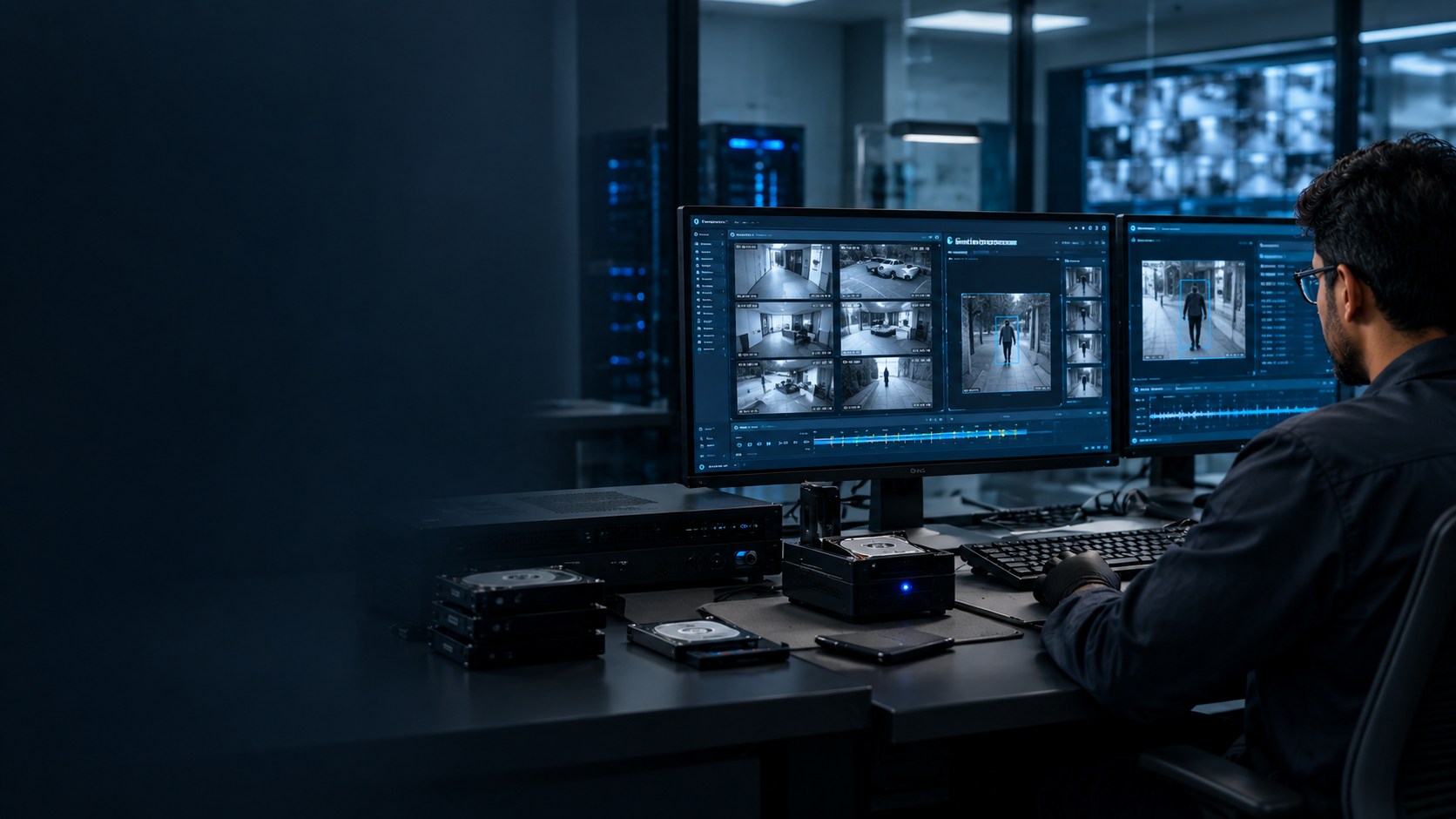
DVR & Video Forensics
We recover, authenticate, and analyse DVR and CCTV footage, even when corrupted or partially lost. Our forensic specialists enhance, verify, and prepare video evidence for investigative and legal use while maintaining complete timestamp and chain-of-custody integrity.

Drone Forensics
Our drone forensics service extracts flight paths, GPS coordinates, media files, and telemetry data from UAVs. We reconstruct flight activity, verify unauthorised usage, and support investigations involving aerial surveillance, security breaches, or criminal activity.

Social Media OSINT
We gather and correlate publicly available social media data to map digital behaviour, connections, and communication patterns. Our OSINT investigations support legal cases, internal inquiries, and threat intelligence operations with actionable, verified insights.

Dark Web Monitoring
We monitor hidden forums, marketplaces, and dark web channels for leaked credentials, stolen data, and illegal activity. Our proactive scans alert organisations to risks early, helping prevent identity theft, fraud, and cyberattacks.
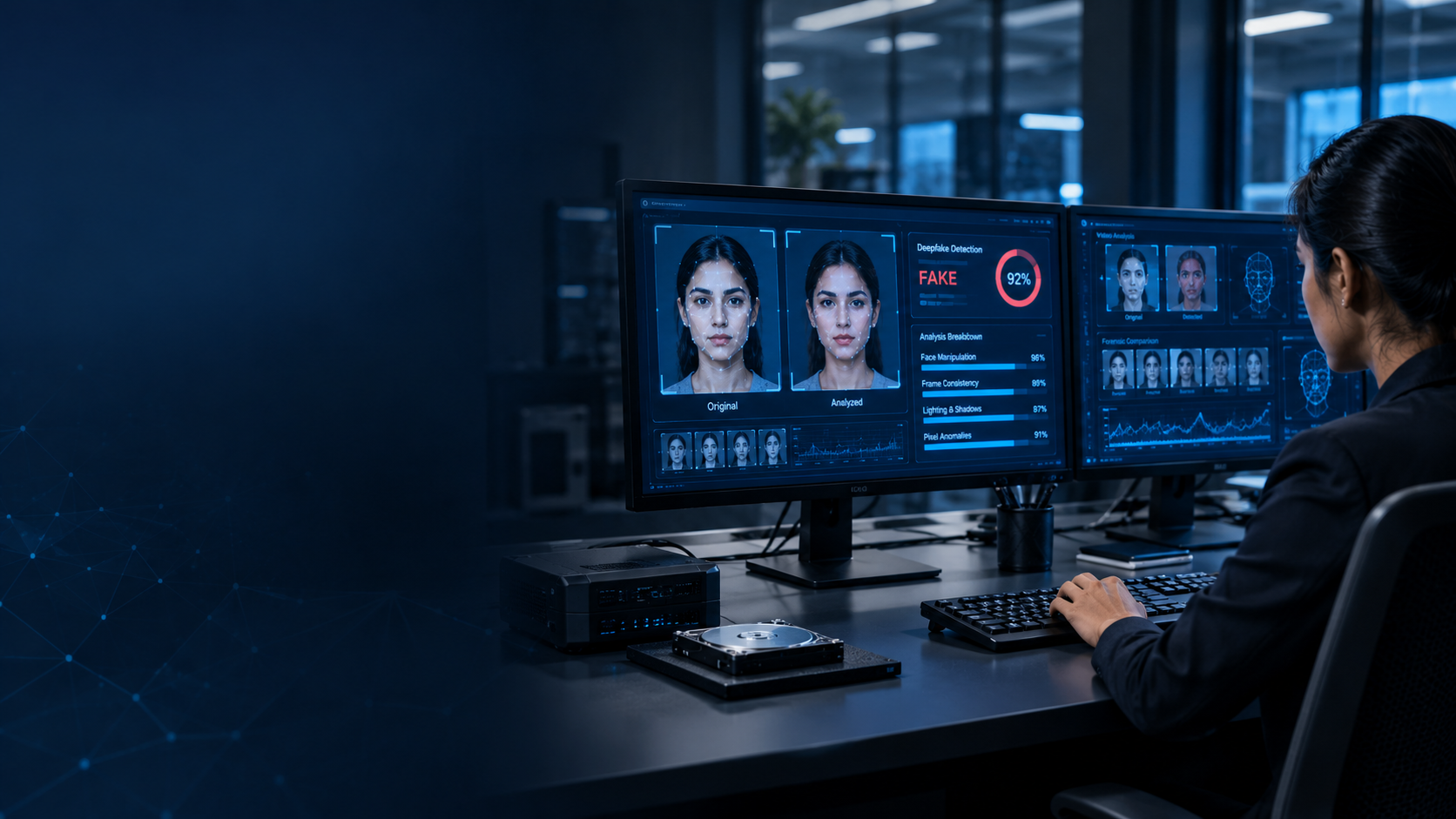
Deepfake Analysis
Our deepfake analysis service uses advanced AI detection to identify manipulated or synthetic media. We help investigators, organisations, and courts distinguish genuine visuals from altered ones, ensuring evidence remains credible and legally admissible.

Cloud Forensics
We extract and analyse data from cloud applications and virtual servers, ensuring compliance and legal admissibility. Our cloud forensic workflows uncover logs, account activity, metadata, and deleted content across distributed cloud environments.

Cryptocurrency Analysis
We analyse cryptocurrency transaction flows to uncover fraud, laundering patterns, and digital asset theft. Our investigators trace wallet activity, map transaction networks, and support legal and investigative action across multiple blockchain platforms.
Our Recovery Process
Digital Forensics Recovery Process
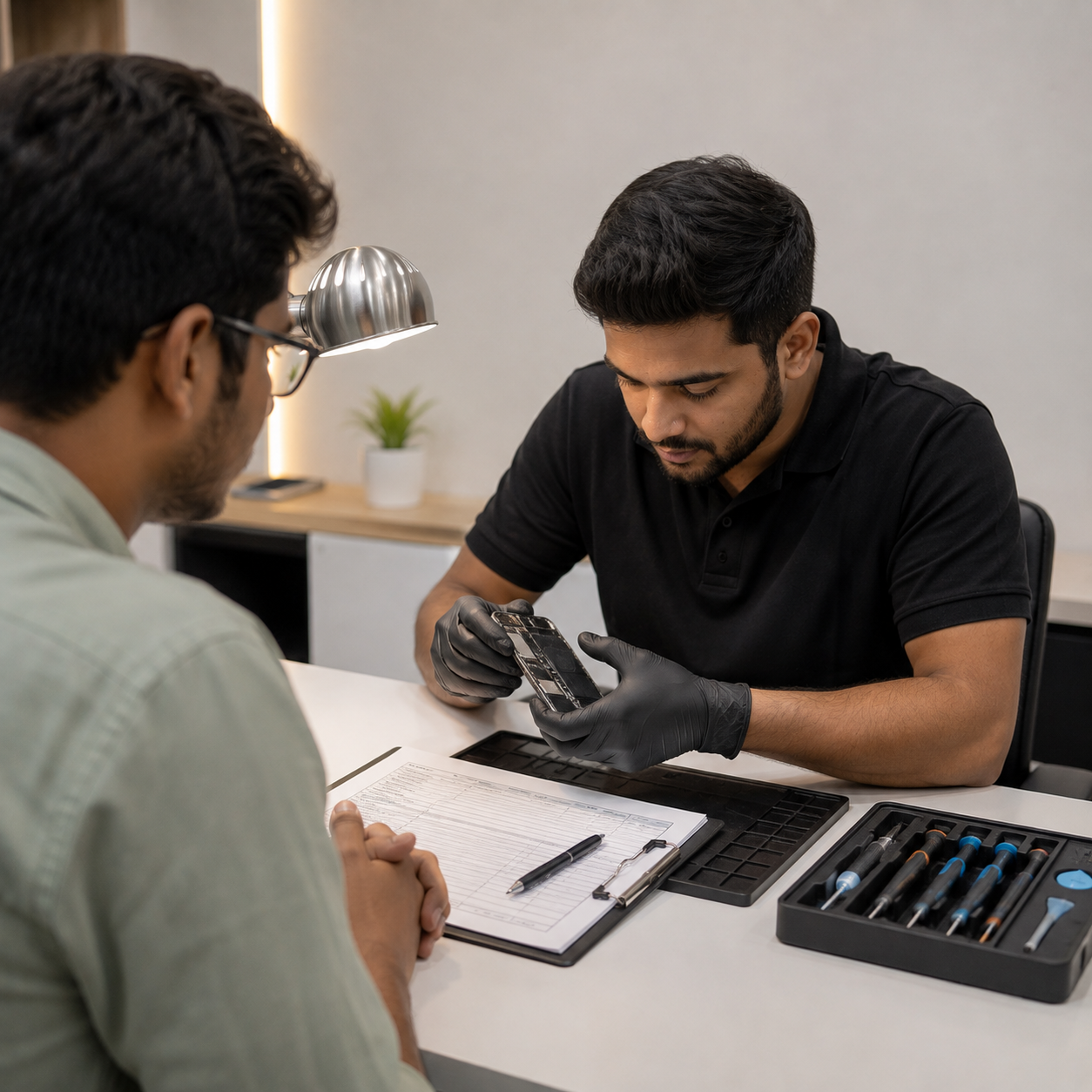
Step 1
Evidence Intake & Documentation
Record device details: make, model, IMEI, serial number; Photograph device in its current state (powered on/off, screen condition); Document chain of custody form — client signature mandatory; Place mobile devices in Faraday bag immediately.
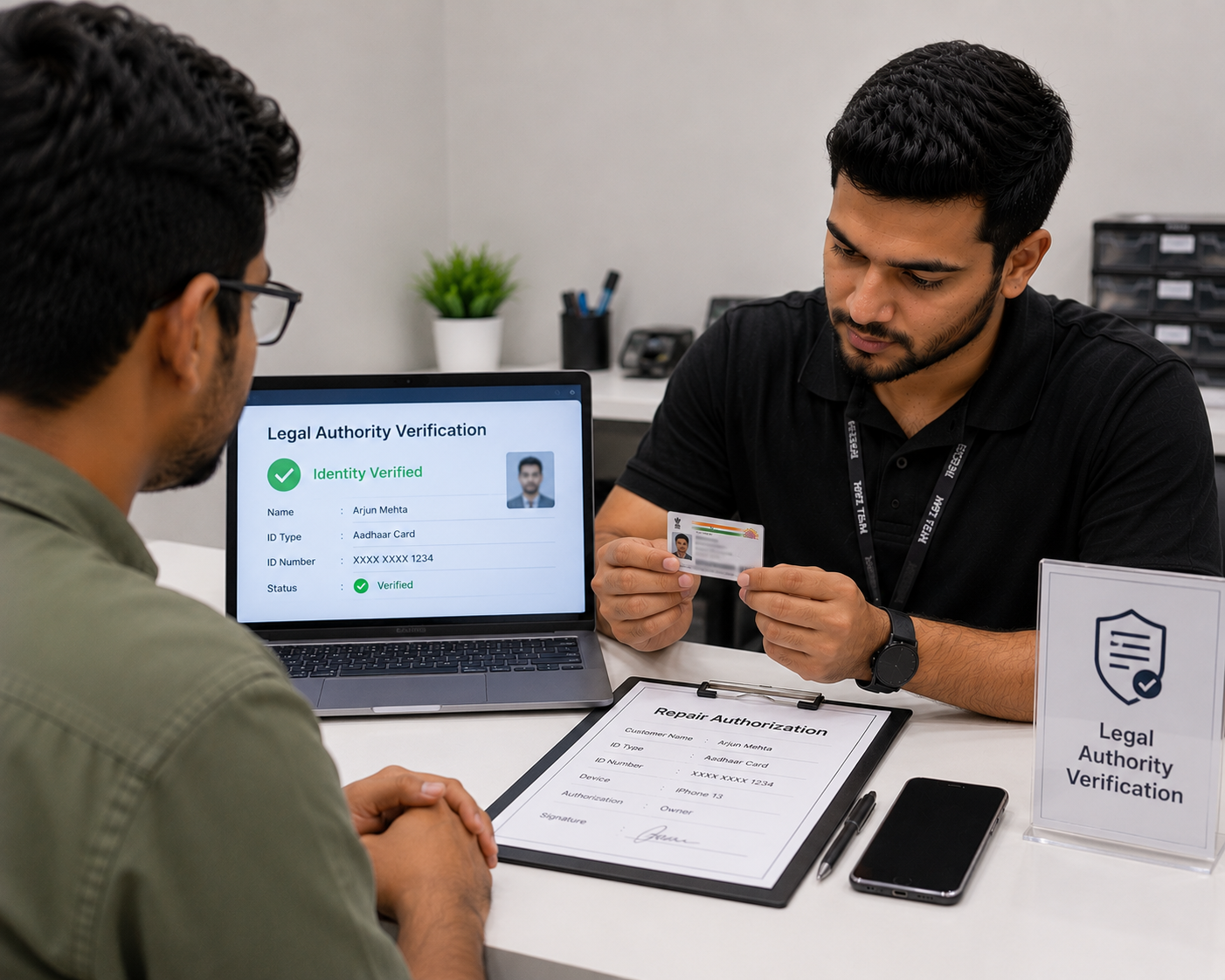
Step 2
Legal Authority Verification
Obtain written consent / court order / client authorisation; Confirm scope of investigation in writing before proceeding.
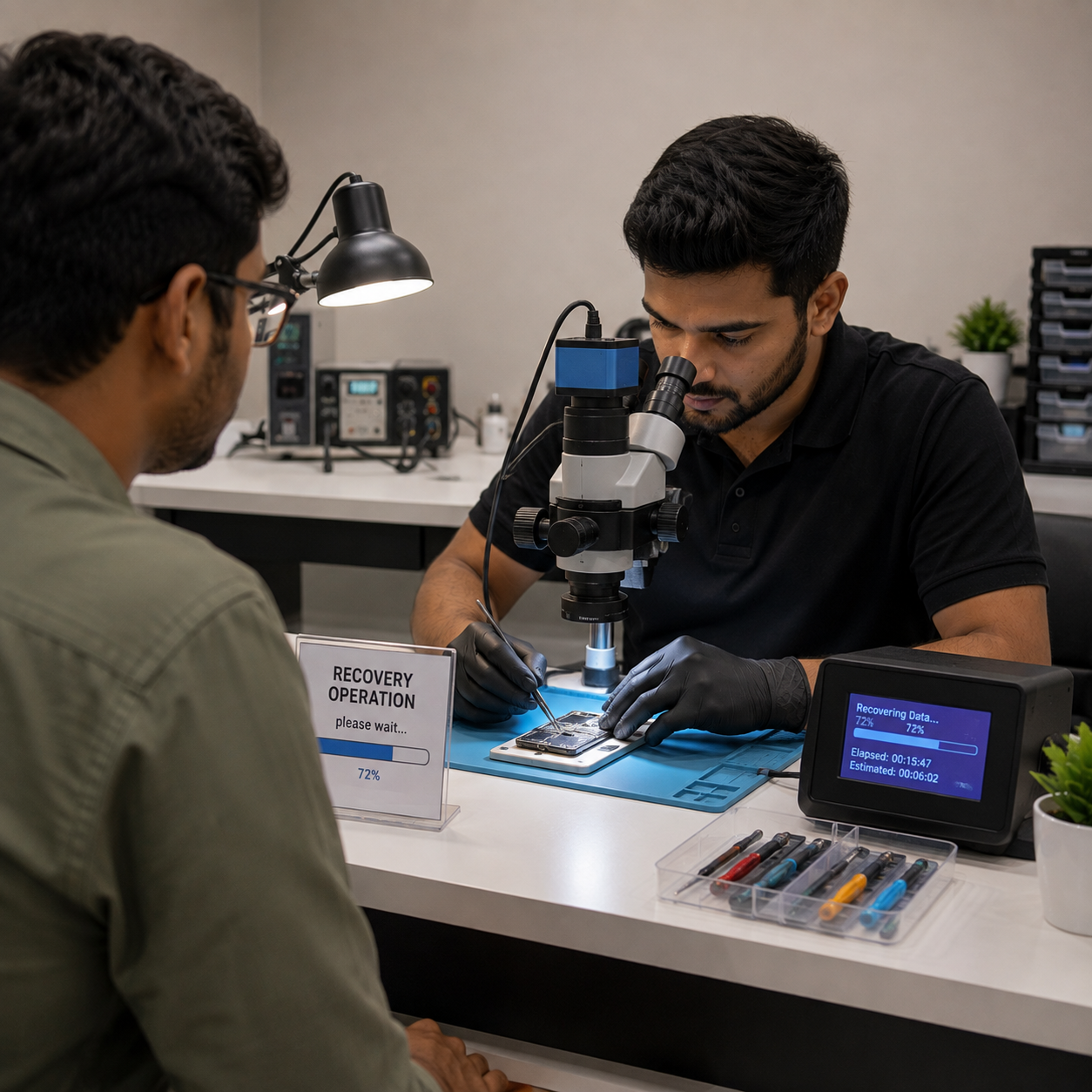
Step 3
Triage & Assessment
Identify device type: mobile / laptop / HDD / server / USB; Check power state, encryption status, damage level; Determine extraction method: logical / file system / physical / chip-off.
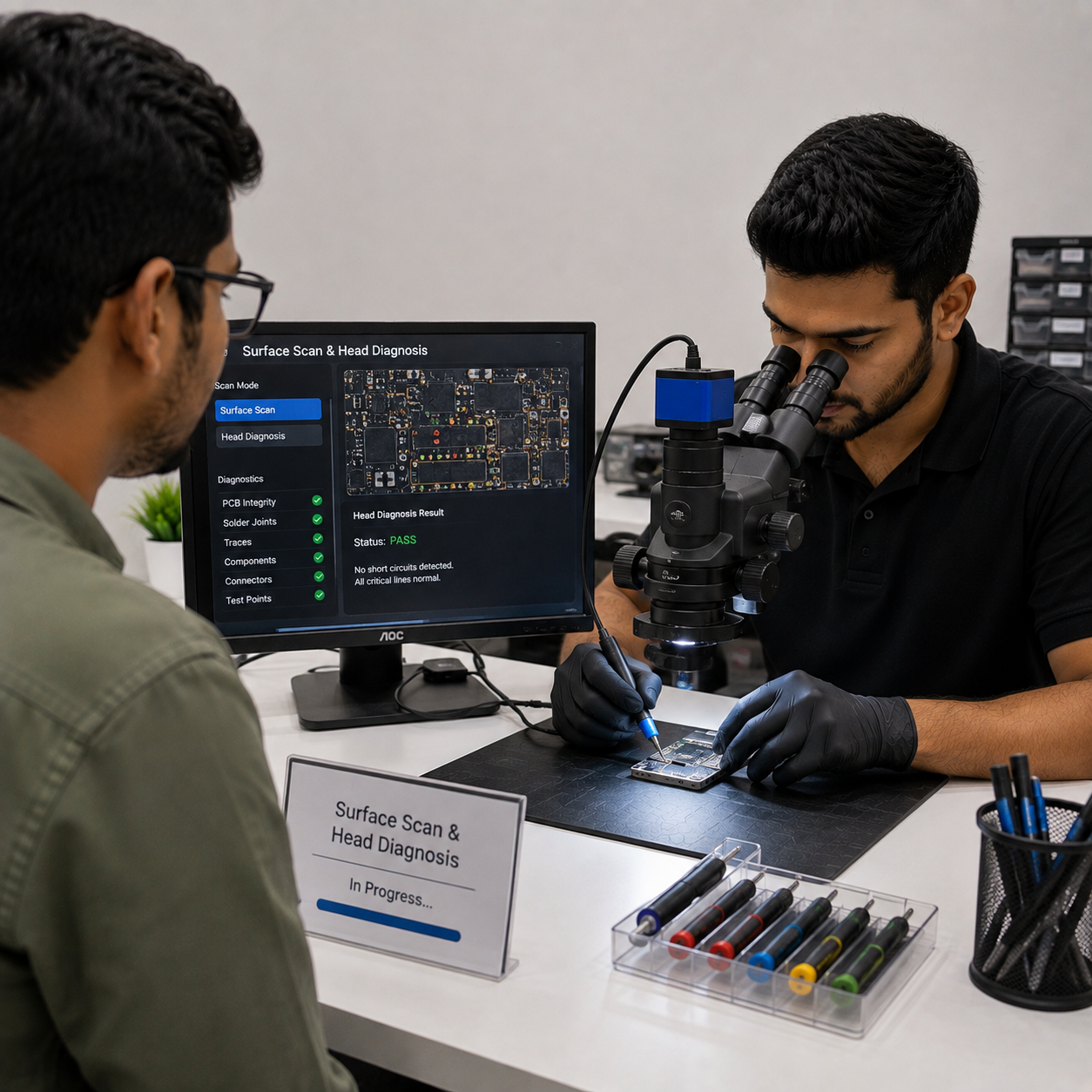
Step 4
Forensic Imaging
Connect via write-blocker (no write access to original); Create bit-for-bit forensic image (DD / E01 / AFF4 format); Verify hash (MD5 / SHA-256) — must match original exactly; Store image on forensic-grade encrypted storage.
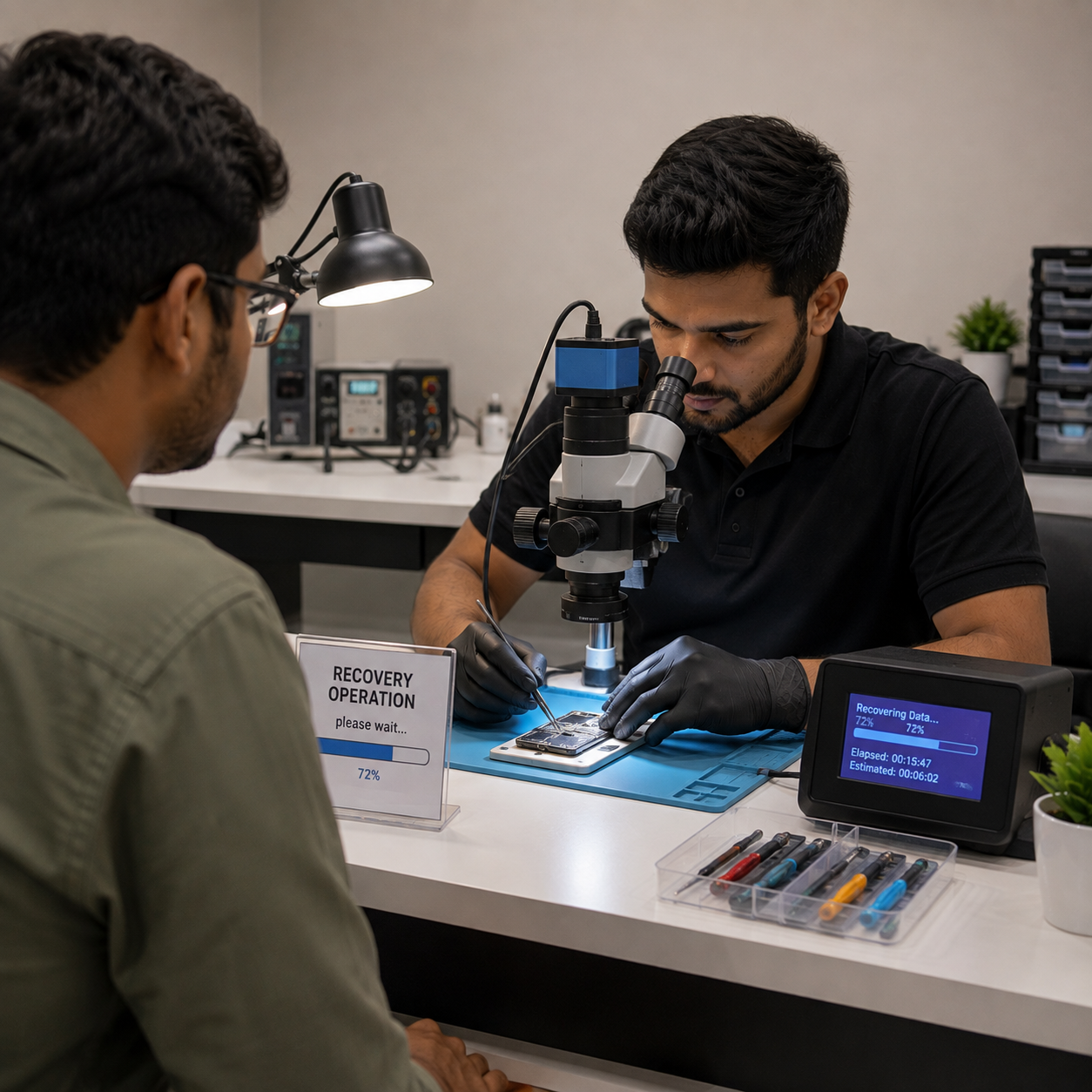
Step 5
Analysis
File system analysis — deleted files, timestamps, metadata; Keyword search, hash matching, file carving; Email / chat / browser / app artefact extraction; Timeline reconstruction of user activity.
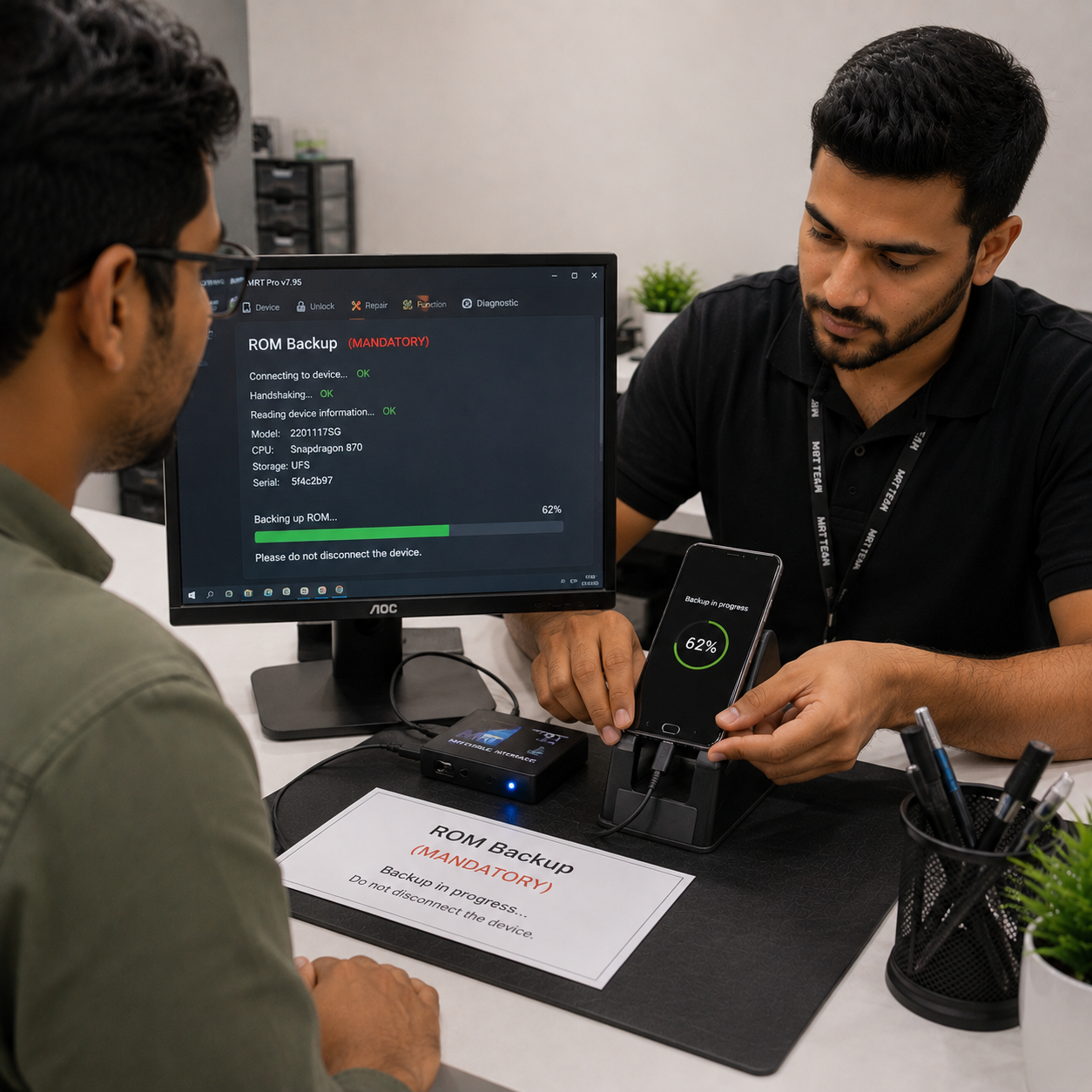
Step 6
Report Generation
Detailed findings with screenshots and file paths; Chain of custody log included; Court-admissible format; signed by forensic examiner; Delivered to client with encrypted copy of evidence.
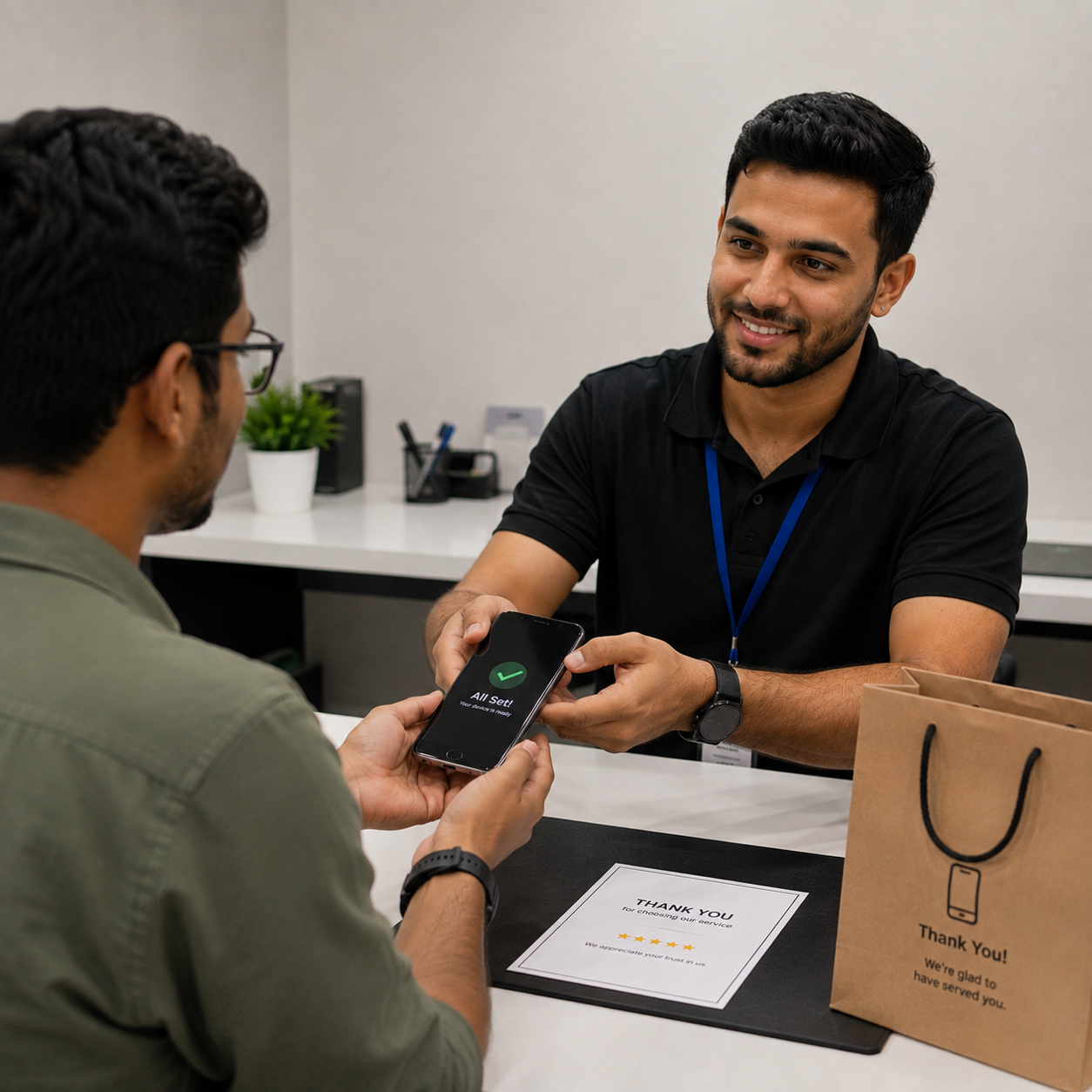
Step 7
Handover
Evidence returned in original condition; Signed acknowledgement from client; Case file securely archived for 3 years.
DO'S & DONT’S
Essential Do's and Don’ts for Digital Forensics
 Do's
Do's
- Immediately isolate the device — power off if not already off
- Place mobile devices in a Faraday bag to block signals and prevent remote wipe
- Document the scene — photograph device as-is before touching
- Use write-blockers before connecting any storage media
- Always work on a forensic image (copy), never on the original device
- Maintain strict chain of custody — log every person who handles the device
- Collect RAM / volatile data first before powering off (on live systems)
- Preserve all logs, timestamps, and metadata without alteration
- Get proper legal authority / client written consent before analysis
- Use court-admissible forensic tools (Cellebrite, DFAS Pro, EnCase, Autopsy)
 Don'ts
- Do NOT power on a device that is already off — may overwrite data
- Do NOT attempt to unlock or access the device without forensic tools
- Do NOT connect the device to any network (Wi-Fi, cellular, Bluetooth)
- Do NOT use untested or unverified recovery tools on original evidence
- Do NOT delete, move, or rename any files on the suspect device
- Do NOT allow the device to charge using original cables without isolation
- Do NOT bypass encryption using unofficial methods that alter data
- Do NOT share evidence or findings without proper legal authorisation"
FAQ’S
Have questions about our data Digital Forensics? We’ve got the answers.

We analyse computers, mobiles, storage drives, networks, cloud accounts, and digital systems while maintaining strict forensic integrity.
Yes. We assist law enforcement agencies with evidence extraction, imaging, analysis, reporting, and courtroom-ready documentation.
Absolutely. We use specialised tools to extract data from corrupted, damaged, or partially functioning devices.
Yes. We provide cloud data extraction, log analysis, and blockchain transaction tracing for investigative needs.
Yes. Our processes follow forensic standards and chain-of-custody protocols, ensuring all evidence is court-admissible.